





Casa Grande Probate Attorneys
We are your local Casa Grande probate attorneys, supporting you with handling the estate of your loved ones, whether a will exists or not.
 We know that losing a loved one is challenging enough. Whether you have stood by them through a long-term illness or their passing was more sudden, the lingering impact of the loss is one that is long-felt. Dealing with the loss itself is often enough of an emotional hardship. When you combine the responsibility of ensuring that your loved one’s final wishes are followed and their estate settled, it can be more than an individual can handle on their own.
At Tucson Probate Attorney, we are here for you. Our dedicated and experienced probate attorneys support you with understanding the process, as well as assisting you through every phase. Whether you are the executor, an heir, or feel that you were wrongly left out of the will, our probate lawyers and estate litigators are ready to support you.
Call Tucson Probate Attorney at (520) 214-6562 for a Consultation!
Your Guide In The Probate Process
A probate attorney acts as your guide throughout the probate process. From menial tasks such as filing paperwork to comprehensive litigation, there is no aspect of the probate process that we can’t assist with.
What is Probate?
When a person passes away, before their possessions can be distributed to heirs, their estate must first pass through a legal process called probate.
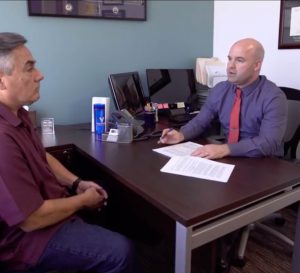
There is a necessary set of guidelines that must be followed in order to probate a will. This responsibility falls to the will’s executor, usually one of the closest relatives to the deceased such as their spouse or child, although they are free to appoint whomever they would like to fulfill the probate process.
If you do not appoint an executor, the court will do so on your behalf, so it is important that you make your wishes known if there is someone in your life you feel is best suited to this task.
Our estate planning attorneys can help you determine who would be the best fit to handle your estate, so everything will be in order and easy for your beneficiaries to understand when the time comes.
How A Probate Attorney Supports You
There are many legal aspects to ensuring a will is properly probated. A probate lawyer can assist with many elements of the probate process, including:
- Preparing & Filing Estate Documents
- Handling Remaining Financials, ie. Collecting Life Insurance, Handling Retirement Plans, IRA’s & 401K’s
- Managing the Estate Funds
- Supporting with Estate Sales, including Real Estate & Personal Effects
- Obtaining Property Appraisals & Valuations for Sale Items
- Locating, Contacting, and Distributing Assets to Beneficiaries
- Determining & Paying Owed Taxes from Estate Assets
- Minimizing Tax Burden for Beneficiaries
- Settling Disputes Between Personal Representatives and Beneficiaries
- Requesting Court Permission In Accordance with State Probate Laws
 Some wills and estates are relatively straightforward with all assets clearly defined and a beneficiary in place. Other wills may be incomplete, vague, or may be missing altogether. Wills may also be contested if a beneficiary or descendent disagrees with any of the items contained within. There are time frames that must be met in order to contest a will, and there is a statute of limitations once the will has passed through the probate process.
Our Casa Grande, AZ probate law offices are dedicated to assisting with any legal issue that may arise during the probate process.
Supporting the Executor
Your probate lawyer works directly with the executor of the will to ensure the process is handled properly and efficiently, allowing beneficiaries to receive their inheritance as quickly as possible.

We know that this is never an easy process due to the emotional weight of the situation. Our attorneys are sensitive and experienced, allowing us to effectively support you in a way that best honors the memory of your loved one.
Even if everything with the estate is relatively straightforward, there are complexities that can arise. Having a legal partner on your side that is experienced in the probate process can help you prevent, mitigate, or handle these complexities. There can be conflicts of interest, disagreements between heirs, or even just confusion over what to do, and when to do it. Our compassionate probate lawyers will help you effectively navigate the entire process and any unexpected complications that may arise.
Contesting A Will & Probate Disputes
We do more than support a will executor, we also assist those with disputes make sure their voice is heard and their objections considered. Our estate litigators are here to help you if you feel that you have been wrongly left out of the will of a loved one.
 Contesting a will means that there is a legal concern about the will’s contents. There are many reasons why someone may contest a will. Estate disputes can arise from disagreements among heirs, life insurance disputes, will validity disputes, and even more serious issues such as probate fraud.
Having the support of a probate litigation attorney means that your concern is heard and addressed through the legal process. Our civil litigators understand the specific laws regarding probate, wills, and asset distribution, and how local and state probate courts are likely to view a specific situation. We can advise you on the likelihood of success of your dispute, and assist you with obtaining the legacy you legally deserve.
Helping Protect Your Loved One’s Legacy
There is nothing more important to us than protecting the legacy of your loved one. Whether it is by assisting them with estate planning, creating a will, setting up trusts, or assisting with probate after they have passed, we believe every individual has the right to define how they are remembered by loved ones.
 Dying intestate, or without a will, can mean that succession laws will define how your estate is divided and distributed, regardless of your wishes. This may mean that your assets will most likely be divided up evenly amongst your remaining descendants, with the majority of your assets being sold at auction in order to determine a fair division.
Estate planning law, a component of family law, helps you to make your wishes known. If there are particular assets or people in your life that are important to you, defining how you would like your estate to be handled after your death by creating a legally binding last will and testament is the best way to protect your legacy.
An experienced estate planning and will attorney can explain the importance of making your end of life wishes known. We also provide guardianship and conservatorship support if you need help determining legal care for your elderly loved ones, and any other aspect of elder law.
Let’s Talk Now- Consultation
 We know that this is one of the most challenging times of your life, and dealing with the complicated business of probate is one that should be as easy and stress-free as possible. Our talented, experienced, and compassionate probate attorneys are here for you through every step of the process, helping you get the probate support you need, and ensuring every aspect is handled properly and efficiently so that you can your inheritance and work through the grieving process in your own way.
Whether you need assistance with executing a will, contesting a will, or would like to start estate planning for your own future, the Casa Grande probate lawyers at Tucson Probate Attorney are ready and willing to support you.
Call Tucson Probate Attorney today at (520) 214-6562 for your Consultation with an Arizona Probate Attorney!
